
1. Build a Professional and SEO-Friendly Website
Your website is often the first point of contact between your startup and potential customers. A professional website can establish credibility, explain your products or services, and encourage visitors to take action.
Your startup website should be:
- Mobile-friendly
- Fast-loading
- Easy to navigate
- Secure with HTTPS
- Search-engine friendly
- Clear and professionally designed
- Focused on conversions
Every important page should have a clear purpose and call-to-action (CTA). Depending on your business, CTAs could include Contact Us, Get a Quote, Book a Consultation, Buy Now, or Request a Demo.
A well-structured website also provides a strong foundation for SEO, Google Ads, social media campaigns, and content marketing. this is best content Marketing
2. Invest in Search Engine Optimization (SEO)
Search engine optimization (SEO) is one of the most valuable long-term digital marketing strategies for startups. SEO helps your website appear in search engine results when potential customers search for products, services, or information related to your business.
Start with keyword research to understand what your target customers are searching for. Then optimize your website content around relevant keywords naturally.this is best content Marketing
Important SEO activities include:
- Keyword research
- On-page SEO
- Technical SEO
- Local SEO
- Internal linking
- Image optimization
- Content creation
- Website speed optimization
- Backlink building
For example, a startup providing digital marketing services could target keywords such as “digital marketing agency,” “SEO services,” “Google Ads services,” and location-based keywords.this is best content Marketing
SEO usually takes time to produce significant results, but consistent optimization can help startups build sustainable organic trafficthis is best content Marketing.
3. Use Social Media Marketing
Social media provides startups with an opportunity to build relationships with their audience and increase brand awareness.
Platforms such as Instagram, Facebook, LinkedIn, YouTube, and other social networks can be used depending on your target audience and industry.this is best content Marketing
A successful social media strategy should focus on providing value rather than simply promoting products.
You can create:
- Educational posts
- Short-form videos
- Customer testimonials
- Product demonstrations
- Behind-the-scenes content
- Industry tips
- Infographics
- Case studies
- Frequently asked questions
Consistency is important. Create a content calendar and maintain a regular publishing schedule.this is best content Marketing
Startups should also monitor comments, messages, shares, and engagement to understand which content resonates with their audience.this is best content Marketing
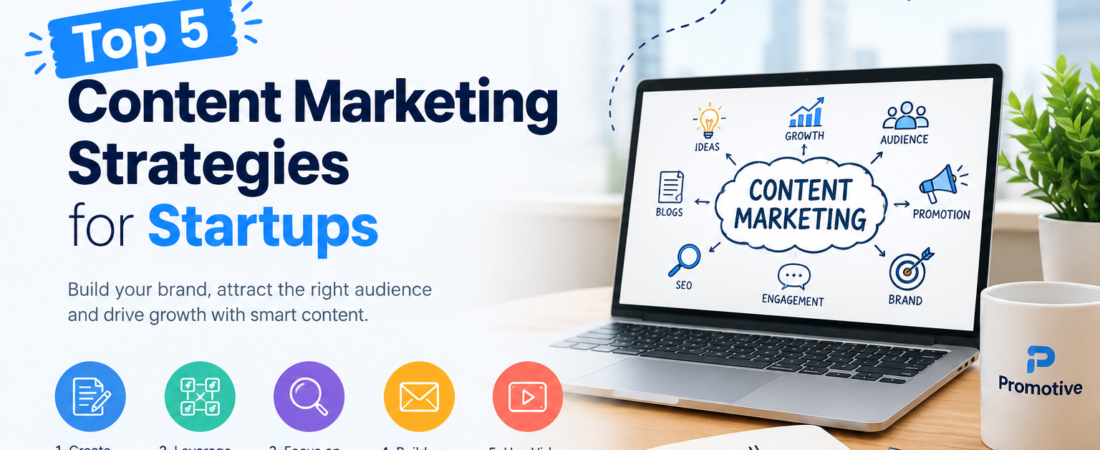
4. Create Valuable Content
Content marketing is another powerful digital marketing strategy for startups. Instead of constantly promoting your products, create useful content that answers your customers’ questions and solves their problems.
Content can include:
- Blog posts
- Guides
- Case studies
- Videos
- Infographics
- E-books
- Checklists
- Tutorials
- Social media content
For example, a startup selling accounting software could publish articles such as “How to Manage Small Business Expenses” or “10 Common Accounting Mistakes Startups Should Avoid.”
High-quality content can attract organic traffic, establish authority, support SEO, and help potential customers understand your products or services.
5. Run Google Ads for Faster Visibility
SEO is a long-term strategy, but startups may also need immediate visibility. Google Ads can help businesses reach people who are actively searching for specific products or services.
With properly targeted campaigns, startups can advertise for relevant search terms and direct potential customers to dedicated landing pages.
Common Google Ads campaign types include:
- Search campaigns
- Display campaigns
- Video campaigns
- Shopping campaigns
- Performance-based campaigns
Start with a clearly defined goal, such as generating leads, increasing website visits, or driving sales.
Monitor metrics such as clicks, conversion rate, cost per click, and cost per conversion. Regular optimization can help improve campaign efficiency over time.this is best content Marketing
6. Leverage Meta Ads and Social Media Advertising
Organic social media growth can take time. Paid advertising on platforms such as Facebook and Instagram can help startups reach specific audiences based on factors such as interests, demographics, behaviors, and other available targeting signals.
Meta Ads can be used for objectives such as:
- Brand awareness
- Website traffic
- Lead generation
- Engagement
- Sales
- Retargeting
A good advertisement should have an attention-grabbing visual, clear message, compelling offer, and strong CTA.
Startups should test different creatives, audiences, headlines, and offers rather than relying on a single advertisement.this is best content Marketing
7. Focus on Local SEO
For startups serving a specific city or geographical area, local SEO can be extremely valuable.
For example, a business serving customers in Pune can optimize its online presence for relevant searches involving Pune and nearby areas.
Important local SEO activities include:
- Creating and optimizing a Google Business Profile
- Maintaining accurate business information
- Adding relevant business categories
- Publishing updates
- Collecting genuine customer reviews
- Adding location-specific website content
- Building relevant local citations
Local SEO can help businesses appear in local search results and make it easier for nearby customers to discover them.this is best content Marketing
8. Use Email Marketing to Nurture Leads
Not every website visitor will become a customer immediately. Email marketing allows startups to maintain communication with potential customers and nurture them over time.
Startups can use email campaigns to share:
- Company updates
- Educational content
- Product information
- Special offers
- New launches
- Helpful resources
- Personalized recommendations
A useful approach is to provide something valuable in exchange for an email address, such as a free guide, checklist, consultation, or useful resource.
Avoid sending irrelevant or excessive emails. Focus on providing useful information and building long-term customer relationshipsthis is best content Marketing
.
9. Use Influencer and Creator Marketing
Influencer marketing can help startups introduce their products or services to established online communities.
The right creator does not necessarily need millions of followers. For many startups, micro-influencers with highly relevant and engaged audiences can be worth considering.
Before collaborating, evaluate:
- Audience relevance
- Engagement quality
- Content style
- Brand compatibility
- Previous collaborations
- Audience location
- Campaign objectives
The goal should be to work with creators whose audience closely matches your ideal customer.
Authentic demonstrations, reviews, tutorials, and educational content can make influencer campaigns more useful than simple promotional posts.
10. Track Analytics and Continuously Optimize
One of the biggest advantages of digital marketing is the ability to measure performance.
Startups should regularly monitor important metrics to understand which marketing activities are generating results.
Useful metrics include:
- Website traffic
- Organic traffic
- Leads
- Conversion rate
- Cost per lead
- Customer acquisition cost
- Return on advertising spend
- Social media engagement
- Email open and click rates
- Sales and revenue
Analytics should not simply be used to create reports. Use the data to make better decisions.
For example, if one advertising campaign generates more qualified leads than another, you can analyze what made it successful and use those insights to improve future campaigns.
How to Create a Digital Marketing Plan for Your Startup
Implementing ten strategies simultaneously may not be practical for a new business. Instead, create a focused marketing plan.
Step 1: Define Your Target Audience
Identify who your ideal customers are, what problems they have, what they need, and where they spend time online.
Step 2: Set Clear Marketing Goals
Your goals could include increasing website traffic, generating leads, improving brand awareness, increasing sales, or acquiring new customers.
Step 3: Select the Right Channels
Choose marketing channels based on your audience and objectives. For example, a B2B startup may focus heavily on SEO and LinkedIn, while a consumer brand may prioritize Instagram, Facebook, and video content.
Step 4: Create a Content Strategy
Plan blog articles, social media posts, videos, advertisements, and other content around your customers’ interests and problems.
Step 5: Set a Realistic Budget
Divide your marketing budget between activities such as SEO, content creation, paid advertising, social media, and website development according to your business goals.
Step 6: Measure and Improve
Review your performance regularly. Identify what is working, what needs improvement, and where your budget can be used more effectively.
Common Digital Marketing Mistakes Startups Should Avoid
While digital marketing can provide significant opportunities, startups can waste time and money without a clear strategy.
Common mistakes include:
- Targeting everyone instead of a specific audience
- Ignoring SEO
- Having an outdated website
- Posting inconsistently on social media
- Creating content without understanding customer needs
- Running paid ads without tracking conversions
- Focusing only on likes and followers
- Ignoring local SEO
- Not testing advertising creatives
- Failing to measure marketing performance
Avoiding these mistakes can help startups build a more structured and sustainable marketing process.
Conclusion
The right digital marketing strategies for startups can help new businesses build visibility, attract potential customers, generate leads, and create long-term growth opportunities.
From building an SEO-friendly website and investing in SEO to using social media, content marketing, Google Ads, Meta Ads, email marketing, local SEO, and analytics, startups have many opportunities to reach their target audience online.
However, successful digital marketing is not about using every channel at once. Start with your audience and business objectives, choose the channels that align with them, track your results, and continuously improve your strategy.
For startups, consistency, valuable content, accurate targeting, and data-driven decision-making can create a strong foundation for. if contact with us . long-.ifyoowth.